SEARCH RESULTS
Search by Category
Search by Date
Author Archive for: "
"
Author Archive for:
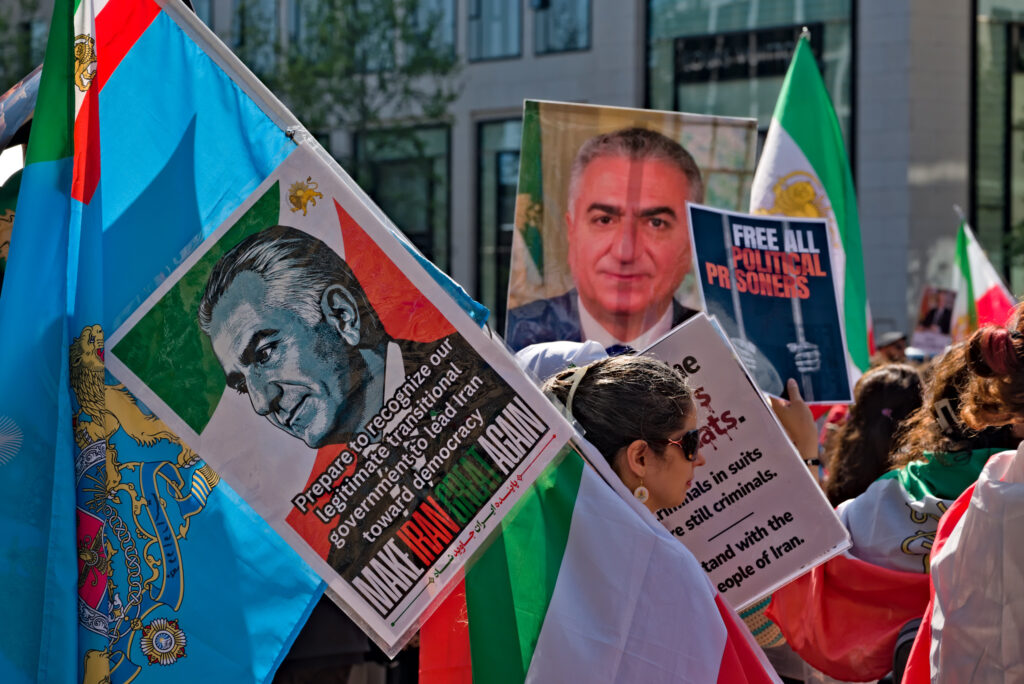
A Wretched Hive: How the United States Incubates Diasporic Fascism
|
From Iranian monarchists to reactionary Cuban exiles, from Hindu nationalists to members of the racist, homophobic Falun Gong cult, the United States fosters far-right political currents based in a range of diasporic communities. Rooted largely in reactionary ideologies brought by immigrants from economically and socially privileged backgrounds, diasporic fascism embodies loyalty to the decaying U.S. empire, collaboration with white American far rightists, and often precarious relationships with the U.S. racial hierarchy.

Not Just an Incel Attack
|
The manifesto of the June 22nd Montréal incel shooter has been widely dismissed as “salad-bar extremism,” a confused hodgepodge that is “neither left nor right.” It’s actually a carefully constructed fascist manifesto that addresses all the key far-right tropes, but replaces the ethnonationalism usually at the center of fascist ideology with a vicious misogyny.
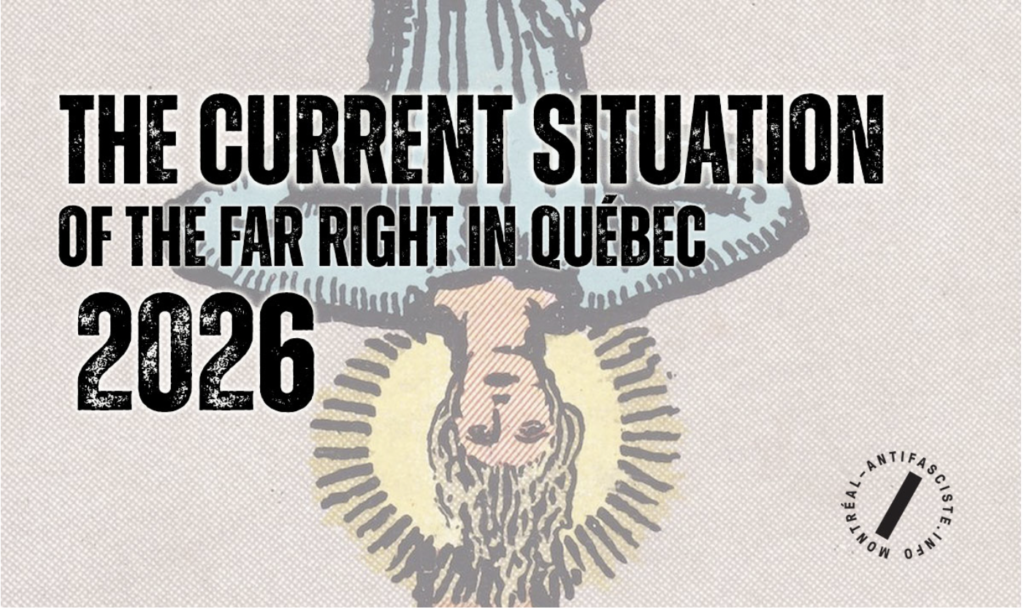
The Current Situation of the Far Right in Québec in 2026
|
This condensed version of a recent report by the anti-fascist research collective Montréal Antifasciste surveys the current militant far right in Québec and analyzes the manifestations and repercussions of far-right themes in mainstream political circles, media commentary, and the online ideological and propaganda ecosystem.
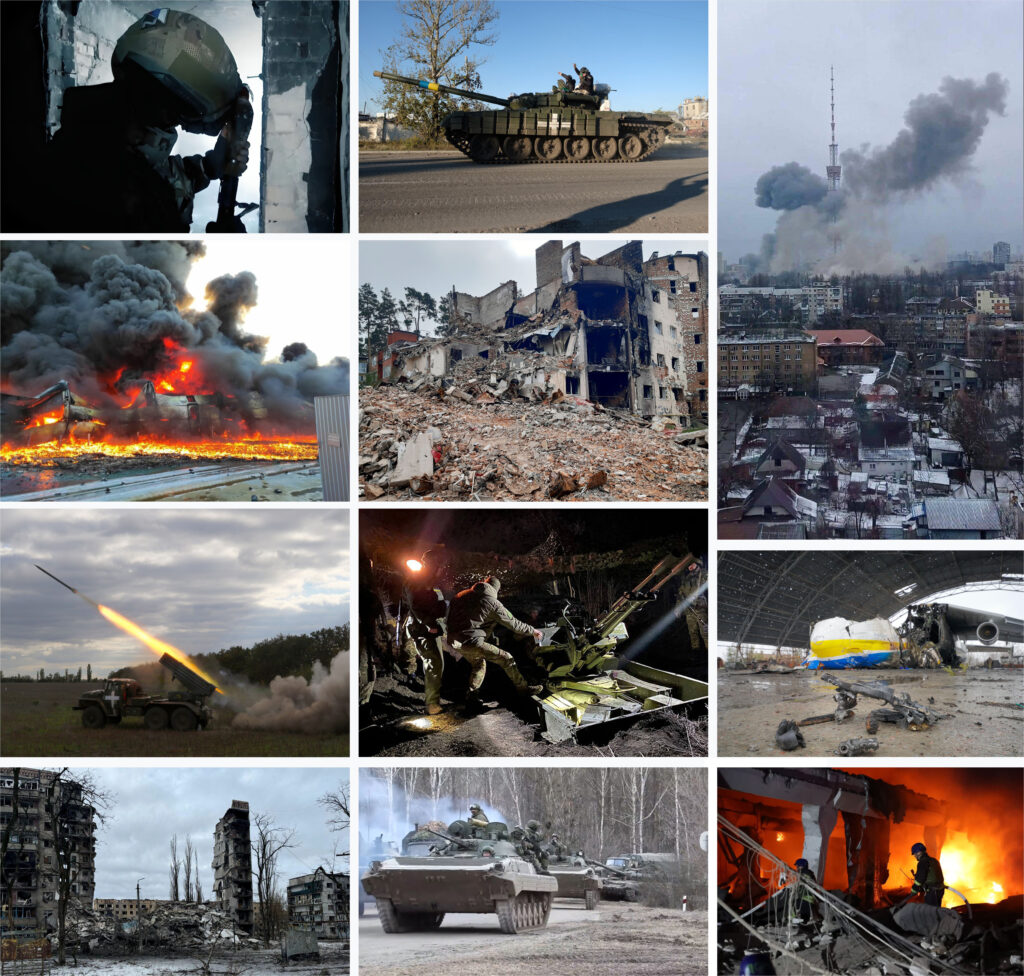
The Day I Threw Away a Book (by Ilya Kharkow)
|
A reflection on language oppression in the context of Russia's invasion of Ukraine.
Remembering Chip Berlet
|
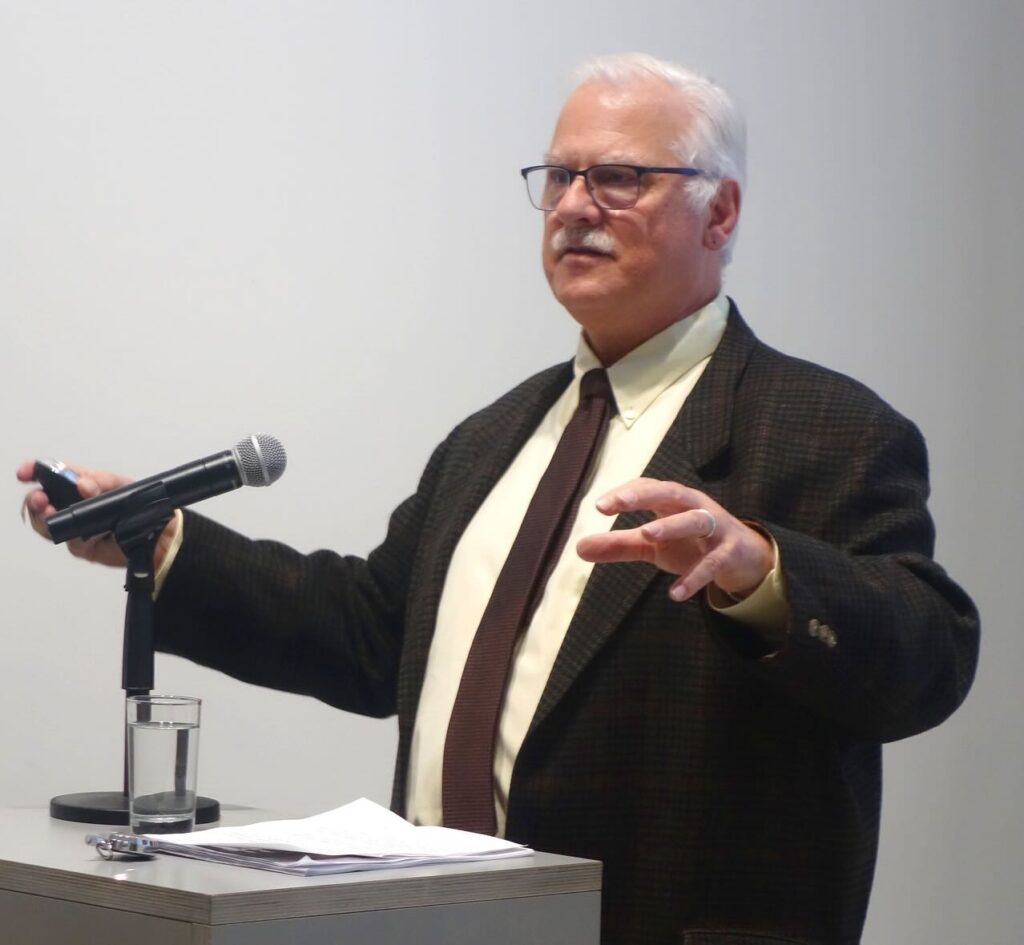
Three Way Fight mourns groundbreaking antifascist researcher Chip Berlet, who died on January 30th, and republishes Matthew N. Lyons’s essay, “Chip Berlet, Co-Author” from the 2021 book Exposing the Right and Fighting for Democracy: Celebrating Chip Berlet as Journalist and Scholar.
What the F**k Is to Be Done?
|
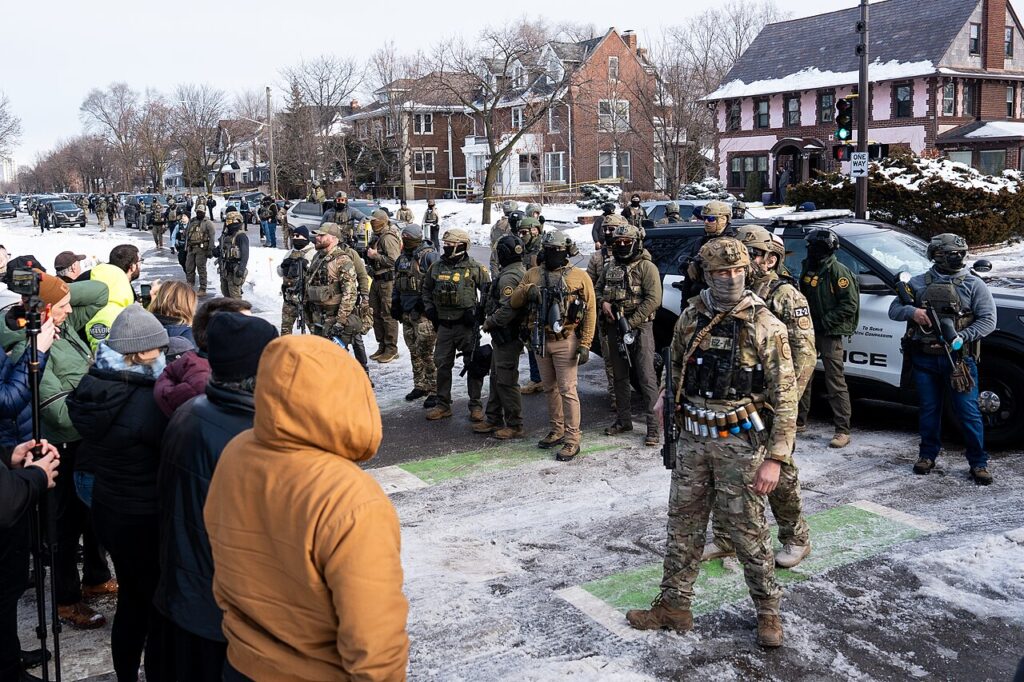
Dandy Andy attempts to answer the question, How do we craft an anti-capitalist strategy for our current period? His discussion touches on the relationship between class analysis and intersectionality, the dynamic tension between nonviolent civil disobedience and militant action, some guidelines for political coalitions, the importance of building community spaces and human connection, and the tension between the needs for public organizing and movement security.
Antifascism in 2025: Shane Burley interviews Xtn Alexander and Matthew N. Lyons
|
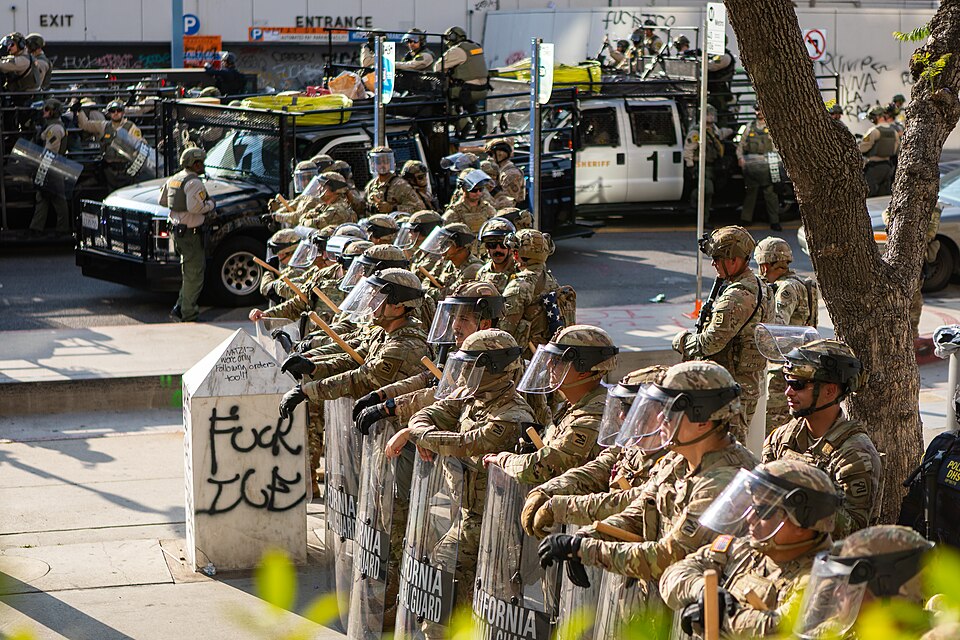
This interview first appeared on Shane Burley’s website Maiseh Review. We appreciate Shane's efforts over the years to help bring three way fight politics to a broader audience.

Trumpism’s multiple factions
|
As the Trump administration attacks oppressed communities and dismantles social and environmental programs with breathtaking speed, it’s important that we understand our enemy’s strengths, weaknesses, and contradictions. The Trump movement encompasses at least five major components and multiple fault lines. A major point of potential conflict within the administration is between established capital’s socially conservative wing (represented by Project 2025 contributors such as Russell Vought, Peter Navarro, and Tom Homan) and big tech capital (represented by figures such as Elon Musk and JD Vance), a conflict that big tech is likely to win.
Chaos or Revolution? It Depends on Us
|
The institutional far right is strong, while the far left is weak and disorganized. To develop the capacity to meaningfully intervene in the current crisis, far leftists need to engage with oppressed communities and work together with liberals in a united front.
Review of Alberto Toscano’s “Late Fascism”
|
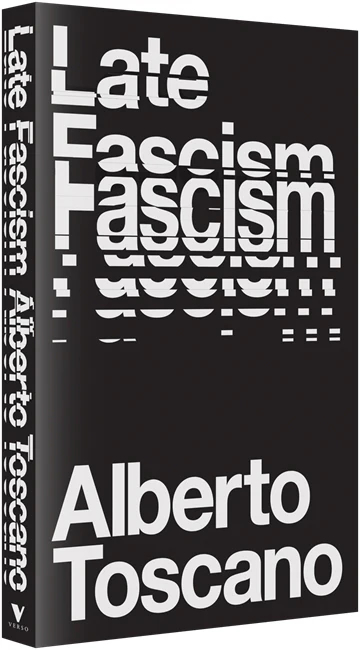
Alberto Toscano’s book offers a helpful overview of antifascist writings with an emphasis on authors loosely associated with Critical Theory. Of particular value is Toscano’s discussion of the role of myth in fascist ideology, which focuses on contributions by Italian scholar Furio Jesi and has relevance for understanding Donald Trump’s speeches and far right online meme culture. Yet Toscano’s discussion of “racial fascism” exaggerates capitalists’ ability to control events, strips both fascists and antifascists of political agency, and reflects an obliviousness to antifascists’ strategic and tactical concerns.
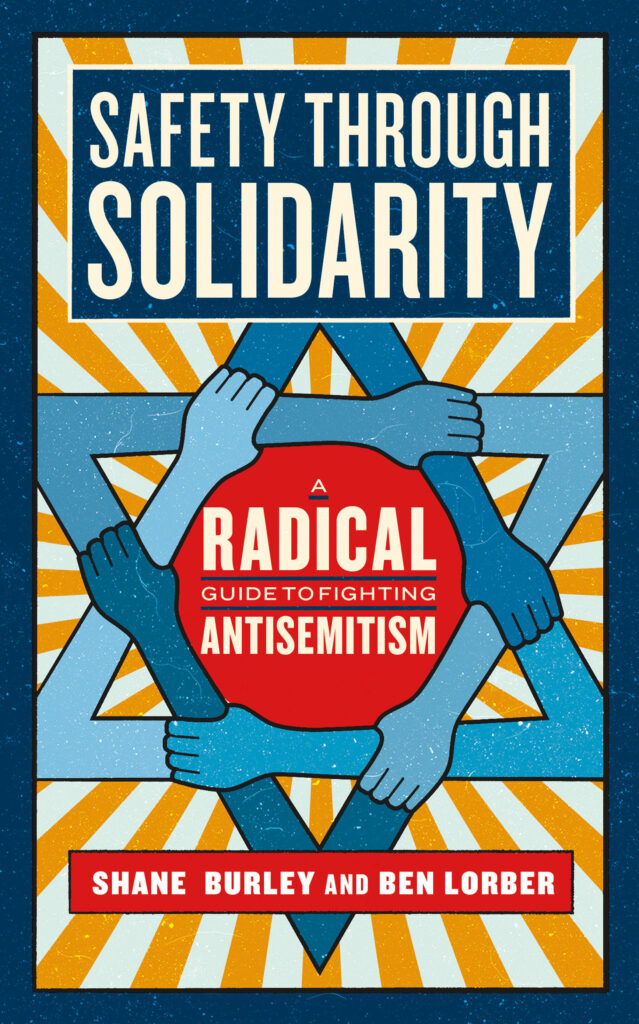
Review of “Safety Through Solidarity: A Radical Guide to Fighting Antisemitism”
|
Shane Burley and Ben Lorber offer a thoughtful radical analysis of how antisemitism works, how it fuels supremacist politics more broadly, and how the charge of antisemitism is misused to attack Palestine solidarity and the left. To combat antisemitism they argue for a strategy based on mass mobilization, dialog, and an intersectional critique of oppressions.